
How Cinematography Shapes Our Opinion of Film Characters
Explore how cinematography, lighting, framing, and camera angles shape our sympathy and moral judgments in film.
Two characters can perform the same morally questionable action, yet audiences may sympathise with one and condemn the other. The difference is not always in what they do or say. Sometimes, it lies in how the film shows them. A close-up catching a moment of hesitation, a face half-hidden in shadow, or a camera looking down on someone can shape our opinion before we consciously form one.
Cinematography does more than make a film look beautiful. Lighting, framing, camera angles, and editing influence what we notice and how close we feel to a character. These choices can make someone seem vulnerable, threatening, or sympathetic, even when their actions suggest otherwise. The camera cannot literally hate anyone, but it can make certain characters difficult to trust and others surprisingly easy to forgive. Like an unreliable narrator, it guides our attention towards some details while keeping others out of sight. To understand how films shape our moral judgments, we need to look beyond what happens on screen and consider how the images encourage us to feel about it.
Who Gets to Be Seen as Human?
A close-up can change our relationship with a character by making it difficult to look away. We notice the hesitation before they speak or the expression they try to conceal. These details do not make someone innocent, but they reveal a person beyond their actions. A wide shot can have the opposite effect. When a character is kept at a distance, surrounded by an imposing setting, their emotions become less accessible. We see what they do without necessarily understanding why. Neither approach is inherently sympathetic or hostile. What matters is how these choices work together throughout a film. If one character repeatedly receives intimate close-ups during moments of distress while another is mostly shown from afar, the audience gains unequal access to their inner lives.
We are often more willing to understand someone whose vulnerability we have witnessed. Meanwhile, a character whose fears and motivations remain hidden can become little more than the sum of their actions. The camera does not need to tell us whom to like. It can simply give one person more opportunities to be understood than another.
Lighting, Shadows, and the Visual Language of Suspicion
Cinema has long associated darkness with uncertainty, particularly in film noir, where shadows often accompany characters whose motives are difficult to read. Low-key lighting, with its deep shadows and sharp contrasts, can make someone appear secretive or dangerous. Light falling across only half a face suggests that something remains hidden, encouraging us to search for reasons to distrust them. High-key lighting creates a more open atmosphere. An evenly lit face can seem approachable because its expressions are easier to read. Yet brightness is not the same as goodness, just as darkness does not necessarily signal guilt.
A villain in bright, clinical light can be more disturbing precisely because there is nowhere for our gaze to hide. Similarly, a protagonist surrounded by shadows may appear frightening even when we understand their circumstances. Lighting shapes our expectations, but it cannot determine morality on its own. Its influence comes from the assumptions it encourages us to bring into a scene.
The Camera Angle That Makes Someone Look Guilty
Camera angles can change how much power a character seems to possess. A low-angle shot, filmed from below eye level, can make someone appear imposing or threatening. Looking up at a character places the viewer in a subordinate position, especially when the framing exaggerates their size. The same technique can create admiration rather than fear. A character filmed from below might look heroic, depending on the scene and the expectations the film has established. A high-angle shot, looking down on someone, can make them appear vulnerable or insignificant within their surroundings. It may emphasise their isolation, although it can also make them seem exposed or ridiculous.
Dutch angles and distorted wide-angle lenses introduce another kind of unease. A tilted horizon unsettles our sense of stability, while exaggerated perspective can make a face appear strangely disproportionate. These techniques suggest that something is wrong, but that impression may belong as much to the character's presentation as to their actual behaviour. A person does not become more guilty because the camera looks down on them. Yet when an unflattering angle combines with ominous lighting and uncomfortable framing, suspicion can begin to feel natural.
When the Camera Refuses to Look Away
How long a film asks us to look at someone matters as much as what we see. A close-up that continues after a line of dialogue ends leaves room for expressions that might otherwise go unnoticed. The character may look away, struggle to respond, or remain disturbingly still. Without a cut to something else, we have time to search their face for an explanation. After a cruel remark or a questionable decision, this lingering shot can become uncomfortable. We are left waiting for a reaction that might reassure us or make the situation worse. Their silence becomes something we must interpret.
Editing can direct our attention elsewhere. Cutting to another character's reaction may emphasise the harm that has been done, while cutting away from the person responsible can spare us a closer look at their behaviour. Rapid editing can also make an action feel chaotic, leaving little time to consider its consequences. A long take is not automatically judgmental, nor do quick cuts necessarily protect a protagonist. The effect depends on what the film emphasises and what it allows us to avoid. Every cut ends one way of looking at a scene and begins another.
Can Cinematography Change Our Moral Judgment?
Individual techniques become more revealing when they work together. Imagine a character committing a crime in a tight close-up, their face softly illuminated as the camera follows their movements. Now imagine the same act filmed from a distance under harsh fluorescent lighting. The event remains unchanged, but its emotional context shifts. The first version might encourage us to consider the character's distress or circumstances. In the second, the act itself may dominate our attention, leaving less room for sympathy. Neither response is inevitable, but the contrast shows how cinematography shapes our interpretation.
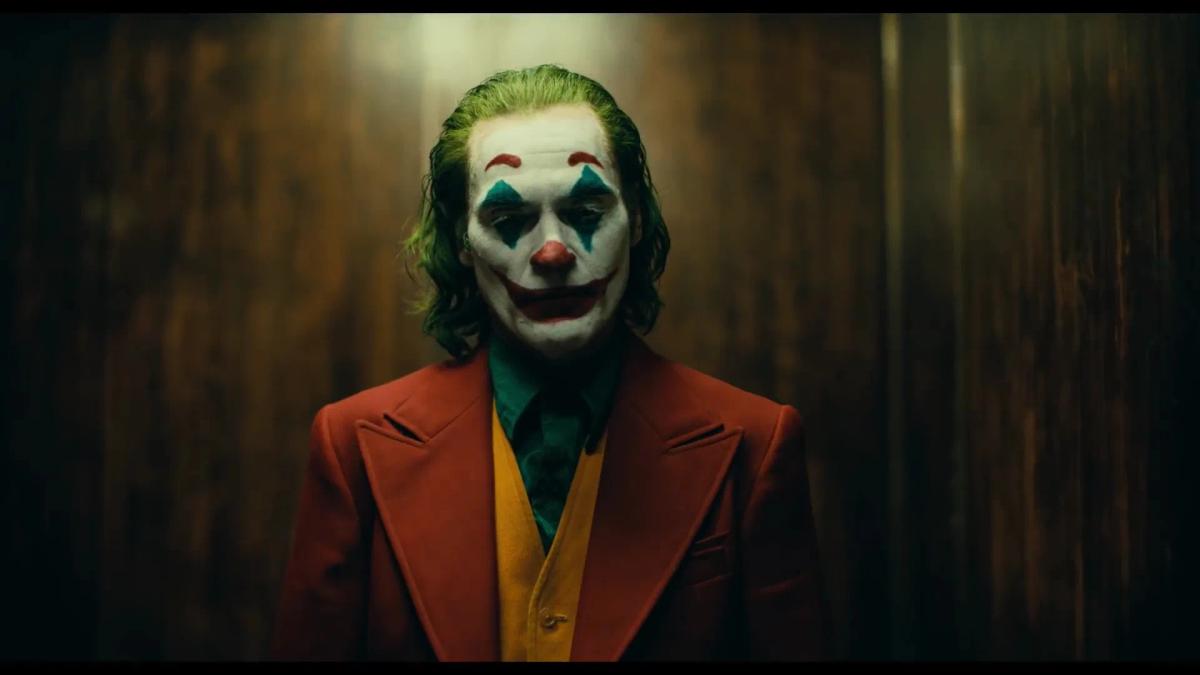
Todd Phillips's Joker (2019) offers an interesting example. The film repeatedly brings us close to Arthur Fleck, lingering on his expressions, physical discomfort, and moments of humiliation. This visual proximity makes his distress difficult to dismiss. We are encouraged to experience the world through his perspective even as his behaviour becomes increasingly disturbing. Understanding Arthur's isolation does not require us to approve of his violence. However, the film gives us considerable time to see how he experiences his circumstances, making his suffering part of the context through which we interpret his actions.
This distinction matters: sympathy and approval are not the same thing. A film can make a character's pain understandable without making their choices defensible. By keeping Arthur at the centre of its visual perspective, Joker asks us to remain close to someone whose actions might otherwise encourage us to look away.
The Camera Has a Point of View
Cinematography is never simply a matter of recording events. Through framing, lighting, camera placement, and editing, filmmakers decide which aspects of a character become visible and which remain difficult to access. These decisions influence whose suffering receives attention and whose actions appear without explanation. A character may seem cruel because the film keeps its distance from them, or sympathetic because it reveals their private moments. Neither response tells us everything about their morality. It tells us something about the perspective through which we have been encouraged to see them.
The next time a character seems immediately unlikeable, consider what the film has shown you and what it has left out. Have you witnessed their vulnerability, or only the consequences of their actions? Does the framing make them seem powerful, insignificant, or alone? The camera cannot hate a character, but it can shape the conditions under which we learn to dislike them. Recognising that influence does not mean dismissing our reactions. It means looking more carefully at how those reactions were formed.