
Unreliable Memory in Fiction: Can We Trust What the Narrator Remembers?
Explores unreliable memory in fiction, why narrators misremember the past, and how authors use fragmented memories to challenge truth and identity.
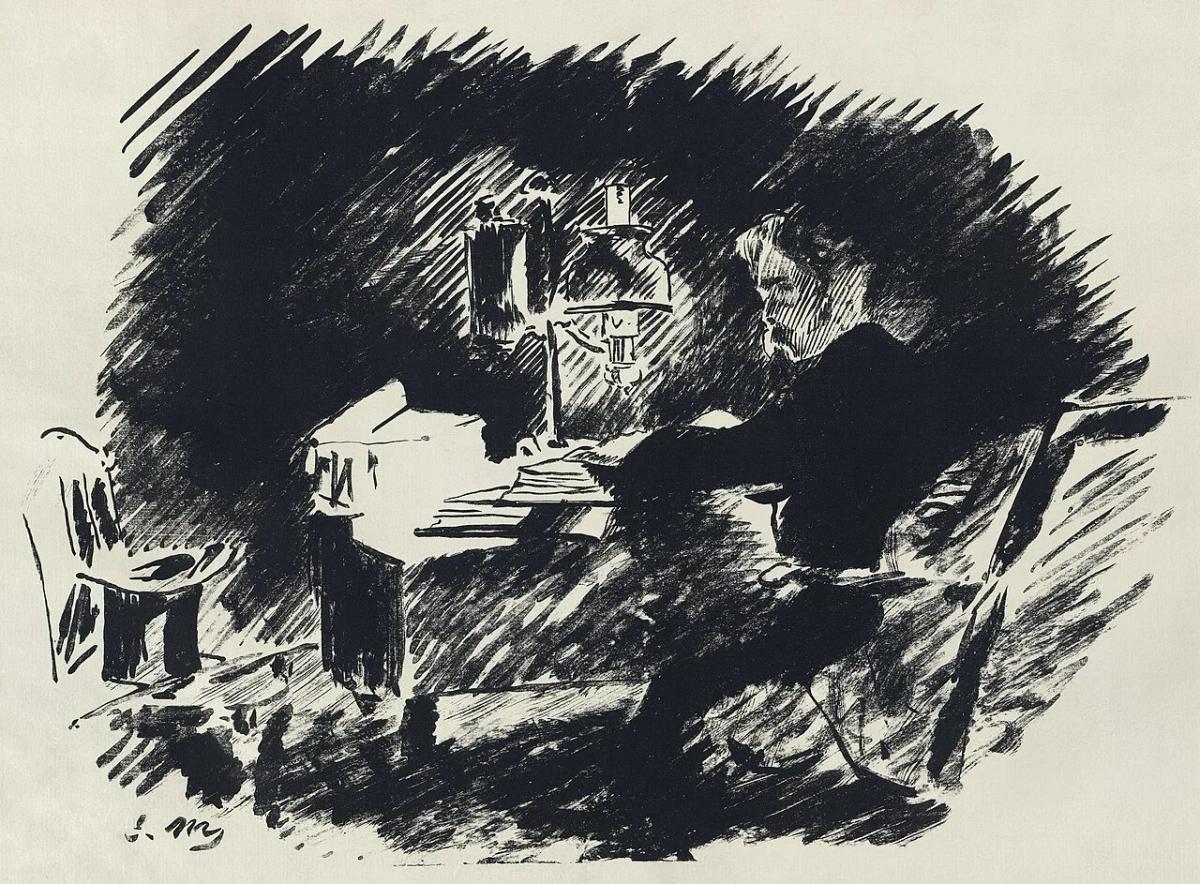
Memory is often treated like a trusted archive, a quiet vault of dusty recordings waiting to be pulled off a shelf and replayed exactly as they occurred. In reality, modern psychology reveals a far more fragile process: memory is less a video recording and more a continuous act of reconstruction. Every time a past event is recalled, the mind subtly rewires, reshapes, and edits the narrative to fit the needs of the present.
Fiction frequently exploits this inherent human uncertainty, using distorted recollections to complicate the boundary between truth, interpretation, and self-deception. When a story is filtered through a character's flawed recollection, the narrative transforms from a simple recount of events into a psychological puzzle. This raises a fundamental dilemma for readers: when narrators revisit their past, are they revealing what actually happened, or are they quietly constructing a version of reality they can live with?
What Is Unreliable Memory in Fiction?
Unreliable memory in fiction describes a technique where a narrator’s account of the past is fundamentally incomplete, distorted, or contradictory. Unlike a conventional storyteller who serves as a transparent window into the fictional world, a narrator shaped by memory-based unreliability provides a lens that is cracked, foggy, or bent by time. There are different ways a character's relationship with truth can fracture:
The conscious liar is a character who knows the objective facts but deliberately fabricates or alters events to deceive other characters or the reader for personal gain. The genuine misrememberer is the one who honestly believes their recollection, unaware that time, bias, or faulty perception has altered the facts over the years. The repressing narrator is the character who intentionally or subconsciously buries painful recollections, actively avoiding certain places, people, or events in their mind to block out discomfort. And lastly, the evolving narrator is the character whose understanding of the past changes as they age, causing their earlier interpretations of events to shift, mature, or crumble completely in hindsight.
What makes narrative unreliability driven by memory so compelling is the presence of sincerity. A character misremembering their history is not attempting a hoax. They may defend their flawed version of events with complete conviction, leaving readers with the task of sifting through their sincerity to uncover the quiet discrepancies hiding underneath.
Why Do Narrators Misremember the Past?
Characters rarely distort their past without reason. In most cases, unreliable memory in fiction is anchored in deep emotional and psychological needs. Rather than failing at random, the mind selectively alters, forgets, or amplifies details to shield the individual from painful realities. Several primary emotional forces drive a narrator to misremember their history: trauma, grief and loss, guilt and shame, nostalgia, and self-protection.
These psychological shields demonstrate how memory reshapes reality to serve the narrator's present ego. A character burdened by guilt might remember a heated argument in vivid, agonizing detail while conveniently blotting out the quiet act of betrayal that caused it. Conversely, nostalgia often acts as an emotional filter, smoothing over sharp edges, softening harsh words, and turning complex, toxic dynamics into comforting, idealized histories. Ultimately, what a narrator chooses, or fails, to recall carries profound narrative weight. In literature, deliberate forgetting and suspicious silences often speak louder than explicit statements, signaling to the reader precisely where the narrator’s unhealed wounds lie.
How Do Authors Portray Distorted Memory?
To convey the instability of a character's mind without explicitly stating "this narrator is wrong," authors rely on subtle craft techniques. By structuring the prose to mimic the flaws of human cognition, writers leave a trail of breadcrumbs that causes readers to question the narrative's foundation.
Fragmented or nonlinear storytelling is when chronological order is abandoned, mirroring how traumatic or emotional memories surface, out of sequence, interrupted, or triggered by small sensory details. A narrator might also describe an event with absolute certainty in an early chapter, only to reveal key details later that directly refute their original story, which is called **contradictions across the text. **They also often use repeated scenes with shifting details, and a single milestone event is revisited multiple times throughout the book, with slight variations in dialogue, setting, or tone on each pass.
Large stretches of time or critical moments are abruptly glossed over, signaling that the narrator is actively avoiding or incapable of accessing those moments, which is when the authors use suspicious gaps and missing time in their favour. Uncertain and hesitant language is when frequent use of qualifying phrases like "perhaps," "if I recall correctly," "I think," or "as far as my memory serves" alerts the reader to the narrator's internal hesitation. Authors also introduce objects as physical artifacts, a forgotten journal entry, a photograph, or an old letter, that contradict the narrator’s cherished version of events.
These techniques depend heavily on delayed revelations. By withholding the full picture or drip-feeding conflicting information, the author forces the reader to pause and re-evaluate everything they have read up to that point. The empty spaces, the hesitations, and the subtle adjustments in a character's retelling reveal the emotional friction between who the narrator believes they are and what actually took place.
**Memory **in fiction does far more than establish backstory or explain what happened before the opening page. It serves as a psychological window, revealing how characters understand themselves in the present and how they cope with the weight of their past.
An unreliable narrator’s recollections may not offer an objective, historical account of events, but their omissions, hesitations, and fabrications expose deeper emotional truths that an accurate record might hide. When we read stories shaped by fragmented memory, perhaps the central question is not simply whether we can trust what the narrator remembers, but why they need to remember it that way.